Friday, June 9, 2017

USDA Uncovers More Organic Fraud

Last month we reported that our organic certificate had been taken from our website, photoshopped, and used in the creation of a fraudulent organic certificate.


At the time, the USDA had uncovered several other fraudulent certificates.

Other companies reported on the USDA website include a farm in Mexico selling watermelon and tamarind, a company out of Mexico selling eggs and lemon, a company out of China selling sandalwood essential oil, a tea producer out of Colorado, and a processor out of India. (Details here on the USDA website.)

If you haven't already, check out my article over on Grounded Organic on how to spot organic fraud.

Saturday, January 7, 2017

Does Castor Oil Really Work to Re-Grow Hair?


You may have read online that castor oil can be used to re-grow thinning hair, patchy eyebrows, or sparse eyelashes. But is there any science behind this popular internet claim?

To find out, I started with a search of the National Library of Medicine (Pubmed)--a database of all published studies on substances synthetic and natural alike. Castor oil has been used for many years to help ease osteoarthritis, and there is a limited body of evidence confirming this practice. However, searching for any articles regarding its ability to re-grow hair came up empty.

After searching many variations of "castor oil" and "hair," through Pubmed and continuing to find no results, I took to the general internet and found this article. It says the science behind castor oil's ability to re-grow hair is such:
Accounting for more than 90% of castor oil’s constitution, ricinoleic acid is the single largest component, is mono-unsaturated and features 18 carbons. What renders it different is that its 12th carbon comprises of a hydroxyl functional group. It is courtesy of this structure of ricinoleic acid that castor oil derives its polar nature and hence is chemically more nourishing for the scalp. 
Hair growth is spurred by a lipid compound named Prostaglandin (PGE2) and it could be best described as a catalyst. While its presence in high concentration promotes growth of hair, its depletion causes hair loss and eventually leads to baldness. Castor oil’s principle component – ricinoleic acid – has been scientifically proven to stimulate the production of Prostaglandin (PGE2) when applied to the scalp. Enhanced production of this lipid, particularly in bald spots, enriches hair follicles and encourages regeneration of hair.
It sounds legitimate--there are chemical names and diagrams, and even sources cited. But the science behind the claims have been misinterpreted in more ways than one.

Yes, the fatty acids in castor oil are primarily ricinoleic acid. However, oils don't just contain free fatty acids. In castor oil, the fatty acids are arranged in to molecules called triglycerides: three fatty acids held together by a glycerol group. (Aka glycerin.) So, while castor oil can easily be broken down to extract ricinoleic acid, castor oil in its raw state doesn't contain free ricinoleic acid. Putting castor oil on your skin and hoping it will affect your prostaglandins is like putting a bottle of Aspirin on your head and hoping it will get rid of your headache. Essentially, the ricinoleic acid is still in its "wrapper" in castor oil.

I did find one study that shows how ricinoleic acid can affect prostaglandins, however, it was when taken internally. The digestive system is able to break down the castor oil and turn it in to free ricinoleic acid, which can interact with prostaglandin receptors and create a laxative effect and potentially be used to induce labor. Prostaglandins do have some kind of mechanism in the hair follicle, however, their function continues to be unclear. And the effects of putting ricinoleic acid on hair is also unclear.

Castor oil is a safe ingredients to use, and I am sure that there are reports that it appears to have helped re-grow hair for some people. However, there is no science to back these claims.

What about you? Have you tried castor oil to spur hair growth? What were your results?

Related material:
The downside to castor oil
5 Natural Remedies for Hair Loss

Saturday, December 26, 2015

Looking Back at 2015

We've been busy little bees over the last year! We wanted to take a look back at what we've done over the last year and put together a few highlights in case you've missed them or you're a new follower.

January--We chimed in on why the FDA crackdown on essential oil companies was actually a good thing, and questioned a dubious ingredients list of a popular "natural" cleaning product.

February--We exposed a children's bubble bath with a mysterious ingredients list and launched our hugely popular Almond Coconut Pit Putty Deodorants.

March--We noted how an antioxidant facial care product could actually be damaging your skin and launched another amazing Pit Putty Scent--Spring Lilac!


April--We introduced Spring Lilac Body Butter and started talking requests for deodorants for sensitive skin. We also exposed how their could be nanoparticles in your non-nano sunblock.

May--We exposed a natural-sounding ingredient for containing not-so-natural ingredients and talked about foods for protecting your skin from the inside out.

June--We introduced our first test batch of new "sensitive skin" deodorants.

July--We added Orange Vanilla to our options of "sensitive skin" deodorants.

August--We talked about the science behind the practice of oil pulling, and detailed 5 natural remedies for hair loss.

September marked the return of seasonal soap scents and Baked Apple Spice Salt Scrub.

October we took on some "experts" about breast cancer and aluminum.

November was our biggest month in Bubble & Bee history with our annual Big Sale and Black
Friday/Cyber Monday Sale. We also hosted a $200 Sweepstakes and spread the "buzz" about Bubble & Bee.

December--We introduced three new products for the season, talked about a hair loss controversy, and added Almond Coconut to our options of "sensitive skin" deodorants.

Hey, we've done a lotta stuff over the last year! We have some exciting things we've been working on behind the scenes over the last year that we'll be rolling out in 2016. We thank everyone for following us in 2015--make sure you're signed up for our email updates so you can be first to know about new products and information.

Saturday, August 22, 2015

What Does Science Say About Oil Pulling?


Swishing a tablespoon of vegetable oil in your mouth for 10-20 minutes to clean teeth--known as "oil pulling"--is the subject of many natural health blogs. It has been traditional practice for centuries in India where coconut or sesame oils have been used. But with all of its history and current popularity, is there actual science to back the reported benefits of oil pulling? Cleaning teeth is one thing, curing diseases as many claim it does, is another.

The Science Behind Oil Pulling


There are a number of studies that have shown the efficacy of oil pulling at cleaning teeth and improving oral health.

This 2015 study found that oil pulling with coconut oil decreased plaque formation and gingivitis.

This 2014 study concluded that oil pulling was as effective as an antiseptic mouthwash in decreasing bad breath. 

This 2011 study found that oil pulling reduced bad breath and bacteria as well as an antiseptic mouthwash.

This 2011 study discovered that during oil pulling, the oil will break down and emulsify with saliva, thus accounting for some of its mechanical cleaning action.

This 2009 study found that oil pulling improved gum health and reduced plaque in children.

This 2008 study found that oil pulling reduced cavity-causing bacteria. 

Other Claims


But, while the scientifically-backed benefits of oil pulling for oral health are clear, larger claims may not be. Reports of various diseases being cured by oil pulling have not been backed with scientific evidence. Balancing hormones, reducing arthritis, reducing insomnia, eliminating allergies, treating chronic pain, etc are some of the unfounded claims you may see. But, while research may not back these claims, some people may still see overall health benefits from oil pulling.

Oral health is strongly tied to our overall health. Patients with mitral valve prolapse (a heart condition that makes one susceptible to infection of the heart among other things) are advised to brush and floss regularly to avoid infections. (Source) Heart disease has been linked to chronic oral infection and inflammation. (Source)(Source) Research has also tied periodontal disease to depression. (Source) Scientists have also implicated periodontal bacteria in oral cancers. (Source) Because oil pulling improves oral health so well, the body may achieve an overall benefit by removing plaque, decay, inflammation, and bacteria from the mouth. What remains to be studied, however, is if there is a benefit of oil pulling over simple brushing of teeth. In some cases, oil pulling may be more effective--due to the amount of time dedicated to the cleaning process--in people that may not be getting their teeth clean enough from brushing. (Perhaps from worn toothbrushes, not brushing long enough, not brushing thoroughly, not flossing, etc) But for others with more thorough brushing and flossing practices, oil pulling may not show much of an overall health benefit.

What are your experiences with oil pulling? Has it helped you?

Friday, May 8, 2015

Foods for Protecting Your Skin

Getting the right balance of sun exposure can be tricky. On one hand, most people in the northern hemisphere are lacking in vitamin D (cholecalciferol, synthesized by the skin when exposed to the sun) which can protect the body from many cancers, in addition to many other health benefits. On the other hand, the sun is officially considered a carcinogen, with damaging UV rays that can lead to skin cancer. So, finding the right balance of sun exposure is a fine line, and is different for everyone depending on your skin's hue, where you live, vitamin D levels, and family history. (Consult your Dr. for recommendations that pertain to your health.)

But, one trick you can have in your arsenal to protect your skin is eating the right foods. UV rays oxidize the oils and other compounds in your skin to create free radicals and damages DNA. We associate sun damage with sunburn, but much of this damage is invisible, taking years to show up to the naked eye. It has been found that diets rich in phytonutrients, omega-3 and omega-9 fats, and low in omega-6 fats, can counteract some of these damaging effects by providing antioxidants to the skin. (Source) Let's take a look at some foods that are rich in nutrition to help support healthy skin.

Grapes

Resveratrol, found in grape skins, and proanthocyanidins from grape seeds have both been found to have potent anti-oxidant properties. (Source) (Source)


Flax Seeds

With high amounts of fiber for detoxification, and a high omega-3 to omega-6 ratio, flax seeds are a healthy skin powerhouse. (Source)

Turmeric


Many studies detail the antioxidant properties of turmeric's active compound, curcumin. One study found turmeric extract to be toxic to certain skin cancer cells.
(Source)

Bell Peppers


Vitamin C has been found to suppress the growth of skin cell tumors; as one of the foods richest in vitamin C, bell peppers are not just delicious in a fajita, but great for your skin.
(Source) Other foods rich in vitamin C include cherries, kale, broccoli leaves, and blueberries.

Cruciferous Vegetables (Broccoli, Brussels Sprouts, and Cabbage)


Cruciferous vegetables like broccoli, brussels sprouts, and cabbage contain a compound called sulforane, a potent antioxidant that's being studied as, among other things, a skin cancer treatment. (Source)

Brazil Nuts


A recent study found that patients with skin cancer had lower levels of zinc, copper, and selenium than those without skin cancer. Brazil nuts have the highest known levels of selenium than any other food, plus a 1 oz serving (6 kernels) supplies you with a quarter of your RDA of copper and 8% RDA of zinc.

Of course nothing is a substitute for a broad-spectrum physical sunblock (or a hat!) when going out in the sun for longer periods of time. (We recommend Badger's line of sunblock products.) But now you can protect your skin from within with some healthy (and delicious) foods.

Thursday, April 16, 2015

A Benefit to Lead?


By now we've all heard about the controversy of lead in lipsticks and other cosmetic items. And you may be familiar with the fact that in ancient Rome and Egypt, lead compounds were used as primary ingredients in makeups. But you may not know that the Egyptians actually used lead for its benefits. Wait, benefits?

Some ancient texts suggest that lead was used purposefully to treat eye illnesses and skin ailments. So researchers in France decided to delve further in to this mystery. They took samples of ancient makeup from Egyptian tombs and put it under the microscope. An ultramicroelectrode, to be exact. They found that the Egyptians actually synthesized special lead salts, laurionite and phosgenite--not found in nature--specifically for cosmetic use.  Researchers tested these compounds and saw that once applied to skin, the lead ions created a stress response in the keratinocytes (a type of skin cell). Under this stress, the skin cells created an abundance of nitrogen monoxide--a compound known to stimulate a general immune response. Through this this mechanism of stimulating the immune system, researchers concluded these lead compounds may have actually been used to treat eye and skin conditions. (Source)

What does this mean for us in modern times? Not much. There's no action or change I'm suggesting. I'm not proposing the use of lead makeups or medicines and am not contesting the fact that it's a harmful substance. I just found the study to be interesting, historically and biologically, an insight in to the complex mechanisms of the body and its reactions to the toxins around us.

Monday, April 6, 2015

Are There Nanoparticles in Your Non-Nano Sunblock?


Without potential endocrine-disrupting properties like avobenzone and oxybenzene, and free-radical forming properties like titanium dioxide, plus UVB and UVA protection, zinc oxide is the winning choice when it comes to protecting your skin from the sun.

But there's a problem. Zinc oxide imparts a pasty white hue to your skin when you put it on. Manufacturers wanted to harness the power and reputation of zinc oxide but get rid of the whitish hue. So, they started making zinc oxide in nanoparticle form. These tiny particles could be suspended in a cream and are so small that they go on clear. But, we found out that these tiny particles may not be good for your skin, potentially damaging the DNA within skin cells (source). Because they are such small particles, the theory is that they are able to penetrate the skin further and if light bounces off these particles in to the surrounding cells, damage can occur. (However, other studies have found them not to be harmful.)

The public demand for non-nano zinc oxide is large-however people still don't want to look like they've seen a ghost when wearing sunscreen. So, manufacturers continued to develop products. One was micronized zinc oxide. Particles that are smaller than raw zinc, but not small enough to be called nano. While their small size does help, it still does create a whitish hue on skin. Finally, a company out of Australia came up with truly clear non-nano zinc oxide. But there's a caveat--it contains nanoparticles.

What?

This new clear "non-nano" zinc oxide works like this. They broke down the zinc oxide in to nanoparticles. Then, they glued the nanoparticles together, making the overall particle size large enough to be considered non-nano. Misleading? A bit. Harmful? We don't know yet. Probably safe. The larger particle size would keep the zinc from penetrating the skin deeper, but would the sunlight reflecting off the individual particles be harmful? Preliminary studies by the manufacturer has not shown any harm, however, the long-term safety is yet to be seen.

So, the next time that you use a clear "non-nano" sunscreen, know that it's most likely those glued-together nanoparticles.

My top choice for safe sunscreens has always been, and continues to be Badger. I have been in contact with the formulator in charge of their sunscreens and know personally the care they take when formulating their product. They have the resources and equipment necessary to make sure that the zinc is evenly distributed throughout the formula and they go above and beyond with the testing they put the sunscreens through. You can read more about the zinc they use and even see photos of the glued-together nanoparticle zinc oxide here on their website. Badger is a competitor of ours in some categories, but they really are such a standout company, actually have organic certification, and just do things *right* so I don't mind giving them a little publicity.

Tuesday, March 3, 2015

Is Your Vitamin C Serum Harming Your Skin?


Vitamin C in skincare is a big trend right now in the beauty world. And rightly so! This simple vitamin has been found to scavenge free-radical damage, helps to firm skin and even-out skin tone. But despite the promise that vitamin C brings, some vitamin C products could actually be damaging your skin.

See, the most effective form of Vitamin C is ascorbic acid. (In particular l-ascorbic acid.) This is the form of C that has been studied and found to be so beneficial. But ascorbic acid is a tricky thing. Once it's dispersed in water (or aloe, etc) it starts to degrade fairly quickly, and these products of degradation can end up damaging your skin with free radicals. To remain stable, ascorbic acid in solution needs to remain in a highly acidic state (Source) and also not exposed to air. So, while it is possible to have a stable vitamin C formula, it is difficult. (The formula will turn brown once this happens, so it's fairly apparent.)

So, formulators instead turned to ascorbyl palmitate--a form of vitamin C that's much more stable. Doesn't break down and it's oil-soluble so it's great to put in a serum. Or so we thought. Turns out, once asorbyl palmitate was actually studied, researchers found out that it didn't have the same benefits that ascorbic acid has. Ascorbyl palmitate has to be activated by enzymes in order to do its job as a vitamin, and they found that the enzymes in the skin just didn't do an efficient job of utilizing the ascorbyl palmitate. They also found that when exposed to sunlight, the ascorbyl broke down and created free radicals on the skin. So, the compound that you've been using to try to reverse damage could actually be damaging your skin! (Source)


Wednesday, January 21, 2015

Why the Essential Oil "Crackdown" is a Good Thing

You may have heard the story--on the 22nd of this September 2014, the FDA sent warning letters to both doTerra and Young Living Essential Oils. (See the original letters here, and here.)

If you read sources like Health Impact News you might think that the government is "targeting" essential oils and natural substances and trying to keep us from using natural remedies. (Read their article here.) You might think that the FDA and Big Pharma feel threatened by essential oils. But today I'd like to offer an alternative and "inside" view as to what's really going on behind the warning letters and why they're actually a good thing.

The Law


According to US law, there are three categories of substances: Drugs, Cosmetics, and Supplements.

Any product or ingredient that claims to treat, cure, or prevent disease is considered to be a drug. All active drug ingredients must go through very specific testing procedures and the FDA approval process before they can legally become a drug. When you make a drug claim but the product/ingredient hasn't gone through the approval process, that product then is considered a "misbranded drug" by the FDA. This law was written several decades ago and has nothing to do with the current drug marketplace or corporations that have ties to the FDA.

Young Living Billboard in Salt Lake City
There are exemptions from drug testing requirements for herbs, supplements, and vitamins, but these substances have to be very clearly marked as supplements and have to use very specific language with their claims. For instance you can claim, "supports immune system" but you can't claim that something is anti-viral. You can claim "supports hormonal balance" but can't claim to cure PCOS. [This is from my understanding of the law; if you're selling supplements please make sure you do all your legal due diligence.]

The third category under the law is cosmetics. Cosmetics are meant to cleanse, moisturize, and beautify the body. (Skin, hair, teeth, etc.) As a company that manufactures cosmetics, we have to be careful in the claims that we make. For instance, we can make a cleanser that's meant for cleansing skin, however, saying that the product will treat acne would be making a drug claim. We can make a moisturizer with skin hydrating and softening properties, but can't claim it will be anti-aging, because that is a drug claim.

Are Essential Oils Drugs, Supplements, or Cosmetics?


Most essential oils haven't gone through the necessary testing and approval process to be drugs, so they're not seen by the law as such. Also, they're not intended solely for internal use (and shouldn't be!) so they're not supplements either. So, the category that essential oils are regulated under is cosmetics. Because cosmetics are not meant to treat disease, they cannot claim to prevent the common cold, treat the flu, cure ebola, or have antibacterial action. They are meant to simply smell nice, refresh your room, or perhaps calm your mood. This is why the companies received their warning letters. You can't state that essential oils are going to treat infections, prevent a cold, stop ebola, or cure cancer within the realms of the law. doTerra and Young Living have been marketing their essential oils illegally for years.

Not a Government Conspiracy


There are hundreds of companies breaking FDA regulations on a daily basis. So many that the FDA really doesn't have the manpower to really regulate every single one. It's really only until a company has really hurt someone with their product or is reported several times that the FDA takes notice. And that is exactly what happened with Young Living & doTerra. With a growing list of people that have been injured by reactions due to bad advice from essential oil reps and a petition supported by Aromatherapy United that was circulated and submitted to the FDA, it's no surprise that after years of breaking the law, they finally got a warning.

NOT because the FDA wants us to stop using essential oils. NOT a government conspiracy to promote "Big Pharma."

The Fallout


Comments in response to the news of the warnings have ranged from supportive to outrage. One argument that I've heard is that it's unfair of the government to come in and stop companies from promoting natural substances, and that the essential oil market should be self-regulated. But, in my view, an industry can't be self-regulated if major players in the market are blatantly breaking the law. If you have an industry that's consistently following the country's regulations, the government is going to spend less time worrying about what you're doing. Clearing out the law-breakers from the industry is a step towards self-regulation.

One article in response to the controversy stated that the FDA "refuses to conduct any testing on natural or alternative therapies in order to find out whether they work or not." Well, yeah...that's because the FDA doesn't do ANY testing. Companies that are bringing a new drug to the market do the testing--not the FDA. The FDA simply reviews the studies that the companies submit to them and decide whether or not a substance is approved and how it should be labeled and marketed. (Listing of side effects, etc.)

Insider's View


Governor Herbert on a Young Living Wagon during the 4th of July Parade

I don't feel bad at all for doTerra and Young Living. These are companies based in my home state of Utah. I've seen their multi-million dollar headquarter buildings, freeway billboards, and the millions of dollars they rake in every year. With the business that they do around here, it's hardly the big mean government picking on the little guys. These companies have our local government in their pockets because they are major players in our state's economy. In fact, the Governor's Office of Economic Development gave doTerra a contract for a tax incentive to build their headquarters in 2013 and just announced a state tax credit and contract with Young Living. These companies may have been served with a slap on the wrist from the FDA, but they have the full support of the governor.

Bottom Line


I support essential oils and I don't have anything against the actual products doTerra and Young Living offers. I think it's great that people are looking for alternatives to drugs and are looking to live more holistically. However, I have seen dangerous advice being given out (ingesting certain essential oils, applying it IN people's eyes, applying it straight to the skin) for years by the reps of these companies and people have been hurt. The warning letters are a step toward safety and self-regulation within the aromatherapy community. As a manufacturer of cosmetics who tries to obey the law, I'd rather see a level playing field and everyone striving to label and market products that adhere to the laws of our country.


Friday, January 9, 2015

Looking Ahead to 2015

A few days ago I received this email asking if we were having troubles as a company:
I've noticed over the past year that you guys have been offering more sales than you had in the past.  I'm starting to get worried!  I worry that perhaps the sales are an indication that sales are down overall, and that the company will go out of business if things don't improve.  
We are so glad to have customers that care! Yes, we have been sending out more emails over the last year, but NO this doesn't mean that we're scrambling and close to closing our doors. In fact, it's the opposite! We're stronger than ever and have seen growth every year! There are a few reasons that we've sent out more emails in the past year:

Changes on Facebook
In years past, we were able to reach so many of our customers through Facebook. Commonly we did Facebook flash sales, contests, and other promotions that kept people involved. But with the changes that Facebook has made in the last year or so, we're lucky if 1000 people out of the 20,000 fans we have on our page see our posts. Paying to promote our posts hasn't been effective so we've re-tooled our strategies and focused more on our email newsletter system to keep people in the loop.

Growth in Our Company
We have big plans! A couple months ago we expanded our warehouse to a second building and are working on three more in the same complex. We are currently building the infrastructure to grow our business in some really exciting ways. There is SO much still that we want to do, but simply haven't had the room to do it in. Expanding our production and warehousing will allow us to add more products, build efficiencies so we can do an even higher volume. There will be production equipment we'll be investing in, we're currently working on a new order picking system with software and scanners so orders ship even more quickly than their normal same-to-next day turnaround. We can't get in to a lot of details because our big plans are going to be a surprise. Our new website was only phase 1. The sale's we've been offering keeps cash flow moving, allowing us to invest back in to our company without the need for outside investors.

Fresh Inventory
We always base our sales on current inventory levels. And with more production capabilities than in years past, we have more products to provide. We always strive to send the freshest products possible; when you order from us, the product has in most cases, been made within the last week to a month. Keeping inventory moving is key to freshness, so we may run sales from time-to-time to keep from possibly overstocking an item.

Spreading the Word
The holiday season is a great way that word is spread about our company. Through promotions in the holiday season we're able to reach new customers by word-of-mouth through gifts. So, during the holidays we run some sales. We're wrapping up the holidays and the new year, so you won't likely see storewide sales with the deep discounts we've offered over the last few months. However, we continue to come up with creative ideas for promotions and new products. Plus, we'll continue offering discounts on certain categories so you can always try something new!

Thank you to everyone for your support over the years! This Spring will mark our 8th year in business thanks to our (very!) loyal customers! We are always working to bring you the best of the best organic products and look forward to an amazing 2015!

$5 COUPON CODE: 

Bubble & Bee offers the largest line of USDA certified organic products on the market. Many customers have been willing to pay full price to support & ensure that our company will continue to be able to offer these products. Especially when considering the value of the items (with deodorants that last a long time, shower gels that can be diluted, concentrated face cream, etc.) But as the stability of our company increases and we're able to offer higher volume, we can start to afford to offer more discounts. We have always wanted to make organic approachable for everyone, no matter what kind of budget they're on. So, speaking of discounts...here's a coupon code! Use code JAN5 at checkout to save $5 off your order over $35. (Expires Monday Jan. 12 midnight MST)

Tuesday, November 25, 2014

The Dark Side of Mica

If your makeup has a sparkle or a shimmer, most likely you're using an ingredient called mica. Mica is a natural mineral that is mined and broken down to create a sparkly dust. While it creates great color, skin feel, and sparkle to cosmetics, there are some downsides to using this ingredient.
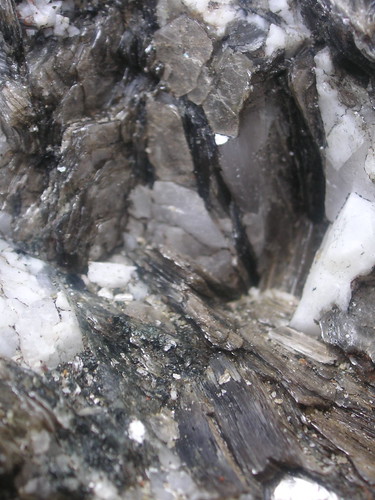
photo by blmurchvia PhotoRee
Skin Irritation
There is some evidence that mica can lead to skin irritation. Mica comes off in micro-thin sheets, (like what you see above) and when it's broken down to a powder, these sheets can be jagged, depending on the grade of the material. Theoretically these jagged particles could create microscopic lesions on your skin, leading to redness and irritation. There have been no studies on, this however, there is some empirical evidence that it does act this way for some people with more fragile or sensitive skin. Additionally, in order to create color with shimmer, micas are coated with colorants, many times synthetic dyes, so there is a risk of irritation from allergy to a mica.  

Chemical Processing
Most micas are not just used for shimmer, but for color. In order to impart color to micas, they undergo much chemical processing. They can be coated with mineral oxides (titanium dioxide, bismuth, iron, etc) but also with synthetic colorants. Some micas are then coated with silicones or other fatty materials to then reduce exposure to the dyes and reduce irritancy. So, while mica is a naturally-occurring mineral, calling it "natural" is a stretch of the word because of the intensive processing it underoges. However, it's generally accepted that when coated, it's an inert ingredient that's relatively safe. (Although breathing in the powder should be avoided.) 

While mica doesn't pose a large health risk, the environmental impact of mica creation seems to be substantial. Here's a description of how, after it's mined, it's processed:

Initially, ore is crushed to a fine powder to liberate the various mineral components of the ore, and then it is slurried to form an aqueous mineral dispersion. This crude dispersion is deslimed and separated according to particle sizes of the dispersed solids using a variety of mechanical classifiers. Desliming involves the addition of process chemicals such as sodium silicate to disperse slimes of hydrated clays, e.g., kaolin, which interfere with processing operations.
The separated fractions are then subjected to froth flotation to isolate the mica flakes from the kaolin, quartz and feldspar byproducts. Froth flotation entails diluting and agitating the mineral slurries in solutions of surfactants under acidic, pH = 2.5–4.0, or alkaline, pH = 7.5–9.0, conditions to entrain the desirable mica fractions in the resulting foam or froth. The mica-laden froth is then separated, concentrated and dried to recover the mica flakes, while the byproducts may undergo further treatment and isolation steps for use in other applications.
Flake mica may be converted to ground mica by dry or wet grinding.4, 5 Wet grinding is typically employed to obtain the higher quality ground mica used in cosmetics. The wet process yields exceedingly flat mica flakes with small particle sizes, high aspect ratios and smooth edges. In wet grinding operations, mica flake is ground in the presence of 20–35% water, dewatered, dried and then screened on sieves to segregate the various particle size fractions prior to bagging. Micronization techniques may be employed to produce even more finely ground mica particles. In this milling process, mica particles are propelled into each other at high speeds using jets of superheated steam or compressed air, causing a grinding action that effectively reduces particle size and thickness.- See more at: http://www.cosmeticsandtoiletries.com/research/chemistry/premium-Profile-of-Mica-209695521.html?c=n#sthash.JQmggUZi.dpuf
Unethical Mining Practices

In addition to the environmental impacts of strip mining, there's a human element as well. Mica suppliers and mines are being called in to question for child labor, especially in India. States one article: "the industry here is little better than a black market, dependent on a huge unskilled workforce, forced into working for lower and lower prices. Profits are made off the backs of children." Read more: http://www.theage.com.au/national/indias-mica-mines-the-shameful-truth-behind-mineral-makeups-shimmer-20140118-311wk.html#ixzz3K6x41I2t 

Makeups are probably the most difficult-to-find products when it comes to finding something that's truly organic. We have high expectations of our makeups: brilliant colors, shimmer, staying in place, feeling good on our skin, smelling mild, not clogging our pores. Mica is an ingredient that not only gives brilliant color and shimmer, but can even help absorb oil and give a silky feel on skin. However, there is a "dark" side to mica that one should consider when making an informed decision when choosing products. 

Thursday, October 23, 2014

Do We Have Aromatherapy All Wrong?


A discussion in an essential oils forum sparked some thoughts for me in general about aromatherapy, scents, and essential oils. The woman in the forum was experiencing migraine headaches, however, if she smelled a leather wallet, duct tape, or a sandalwood patchouli candle, the headache went away. What was the common denominator between these three things?

When you think about it, a leather wallet, duct tape, and a patchouli candle (probably a synthetically-fragranced one) all have a similar scent...leathery, musky. There may even be a particular scent constituent that's similar across the board. So, if we can isolate this compound, does this mean that we've discovered the cure for migraines? And, what if it is a synthetic fragrance chemical? Aren't those supposed to be bad for us?

Let's take a look at a study about those with Multiple Chemical Sensitivities. With MCS, suffers will respond negatively to scents, getting sick from just a whiff of a particular scent. The study found that the mechanism of the illness may lie not in the scents themselves, but in how their brains perceive and process the scents.

So, then if a scent could trigger illness, it makes sense that a scent could cure a headache. Scent is a highly individualistic perception, tied to emotion and memory. Perhaps the woman with the migraines has a positive association with a leathery, musky scent. Perhaps a comforting father figure, or a special place she visited in the past. When her brain processes that scent, it stimulates a relaxant response and ends up curing her headache.  Even if it's a synthetic chemical.

So, what am I getting at here? Well, we see aromatherapy books and blogs listing out essential oils and their particular properties. Lavender always listed as relaxing. Geranium as an antidepressant. Grapefruit as a stimulant. Lemon for calming. But are we going about this all wrong? When we consider how each of our brains process scents differently, how we all have different memories and emotions tied to different scents, how can we say that any one particular essential oil is going to act the same for everyone? Well, aromatherapy charts are general guidelines. If you're trying to calm yourself through sniffing essential oils, don't just go off what your friend tells you works for her. Try several essential oils and figure out exactly how your body responds to each one. What cures one person's headache may cause a headache in another.

But it also calls in to question the issue of essential oil purity. An essential oil with a synthetic adulterant may be just as calming as a pure essential oil. Many of us grew up with synthetic fragrances all around us and may have positive associations with those chemicals, so our brains may respond positively to these scents. Not to say that there aren't many harmful synthetic fragrances, or that I support adulterated essential oils--just that it's all an individual experience and we should keep this in mind as we consider others around us who may be in love with their synthetic candles or lotions.

One of my partner Stevie "B's" favorite smells is a combination of black licorice and diesel exhaust. What? Well, when he was a kid growing up in southern Illinois, he and his family would cross the bridge to go in to St. Louis, always to do something fun, like going to the museum or six flags. On the way home they'd get stuck in traffic on the bridge next to the big licorice factory. The busses spewing out diesel exhaust swirled together with the black licorice smell from the factory to create a positive memory for him. Probably not the healthiest scent to love, but a powerful one nevertheless. (And also one of the main reasons we make our Black Licorice soap!)

We get questions from time to time about our products like: "Is the smell too sweet? Is it a mild scent? Which is stronger, the geranium or the lime? Which one smells the best?" These are impossible questions to answer because we all perceive scents so differently. We can share our own personal perceptions, but what's too sweet to one person is another person's favorite heavenly scent. But it is interesting to think--it's all, quite literally, in our heads.


Tuesday, September 23, 2014

Healthy Harvest: Pumpkin

The mighty pumpkin...is actually a fruit! From the same family as cucumbers and melons, this healthy and useful gourd is good for so much more than fall-time decorations!

Pumpkin Flesh


Pumpkin flesh is nutrient-rich and low in calories. One cup of pumpkin puree contains only 83 calories (compare to sweet potato which has three times as many calories). It's also high in fiber (7 g per serving) has more potassium than bananas, is a good source of magnesium and iron, and provides 763% RDA of vitamin A!
(Source)(Source)

Seeds


  • Pumpkin seeds are a good source of iron and can thus help with anemia. (Source)
  • They're also a good plant source of tryptophan, which can aid with insomnia. (Source)
  • Extracts from the seed have also been found to be a powerful antioxidant. (Source)
  • A combination of flax and pumpkin seeds have been found to promote heart health and liver function. (Source)


Pumpkin seed oil


Men's Health

  • Pumpkin seed oil has been found to reverse male pattern balding at a dose of 400 mg per day. (Source
  • It's also been found to inhibit prostate enlargement (Source) (Source)

Women's health

  • Pumpkin seed oil has also been found to help reduce symptoms associated with menopause, reducing hot flashes, etc. (Source)
  • Has also been found to help lower blood pressure and improve lipid profiles in animal studies, helping to improve health in low-estrogen states. (Source)

photo credit: valkyrieh116 via photopin cc

For educational purposes only; not intended to treat, cure, or prevent disease. 

Wednesday, September 17, 2014

Helpful Herbs: Lavender

Since our new Lavender Vanilla Body Butters and Pit Puttys have been such a hit, I thought I'd write about some of the benefits of today's Helpful Herb: Lavender.


Reduced Stress

Thus study found that bathing with lavender reduced stress and enhanced sleep in mothers and their infants. This study found that lavender and rosemary essential oils helped nursing students relax during testing.

Migraines

This study found that inhalation of lavender essential oil reduced the symptoms of migraine headaches. Nintey-two out of 129 headache cases improved with lavender, whereas only thirty-two out of sixty-eight of the placebo group improved.


Insomnia

The scent of lavender has been found to help with insomnia and depression. (SourceSource) "According to the study results, it can be concluded that the lavender fragrance had a beneficial effect on insomnia and depression in women college students. Repeated studies are needed to confirm effective proportions of lavender oil and carrier oil for insomnia and depression."


Antibacterial/antifungal

Lavender essential oil has been found in lab tests to be effective against candida albicans (Source) and to be antibacterial against certain strains of staph. (Source)


Reduced Menstrual Cramps & PMS

One study found that inhaling lavender (diluted in a 2:1 ratio in sesame oil) helped reduce menstrual cramps. (Source) Another study found lavender oil aromatherapy to help ease some symptoms (mood, energy) in PMS. (Source)

These statements have not been evaluated by the FDA. For educational purposes only; not intended to treat, cure, or prevent any disease.

Tuesday, September 2, 2014

Essential Oils and Children

More and more people are using essential oils in their home and with their families. Today I wanted to give some guidelines about using essential oils on and around children.

Never apply undiluted essential oils to any part of the body. 


Not the chest. Not the soles of the feet. Never. No matter how "pure" the essential oil is, any undiluted essential oil poses the risk for skin irritation and sensitization. You may not notice any ill side effects at first and think that what you're doing is safe, however, exposure to essential oils "neat" can trigger an accumulative immune response that will show up in the future. Expose yourself or your child to an essential oil enough and then one day you'll all of the sudden have an allergic or toxic reaction to the essential oil. (This is called sensitization.) 

Do not add undiluted essential oils to bathwater


Essential oils aren't soluble in water, so when you add essential oils to bath water, you're potentially applying them at full strength to your child's skin, which can lead to reactions and sensitization.

Don't add to drinks


Don't add essential oils to juice, water, or other drinks. Essential oils won't disperse in a drink because they're not soluble in water, so when you add them to juice, you're basically ingesting them at full strength. 


Keep out of reach of children. 


Some common essential oils are potentially toxic to small children if ingested at full strength. Always keep your essential oils out of reach of children and use oils with child-proof caps if available. Common essential oils, (yes, even when they're "pure") can be toxic to a child if swallowed neat, including thyme, peppermint, birch, rosemary, tea tree, cinnamon, clove, basil, pine, oregano, eucalpytus, and some lavenders.


Don't ingest


Some essential oil companies (or their sales reps) propose that ingesting essential oils can cure ailments. Don't give essential oils to children to take internally, even diluted. Some essential oils can have accumulative toxicities--just because you've been ingesting them for months or even years safely doesn't mean that it's okay--you may have hidden toxicities that will appear later.


Properly dilute


If using essential oils externally for massage, always dilute in a carrier oil like coconut oil, olive oil, almond oil, etc. Here is a general guideline for dilution:

Premature infant: do not use
Up to 3 months: .1%
3-4 months: .25%
2-6 years: 1%
6-15 years: 1.5%

(Adapted from "Essential Oil Safety" 2nd ed, Robert Tisserand.)

Monday, August 25, 2014

USDA Organic vs. "Therapeutic-Grade" Essential Oils

Every once in a while I'll get an e-mail asking which brand of essential oils we use in our products and if they're "therapeutic-grade." Because we're a USDA certified organic manufacturer, we have to use (and choose to) use oils that are not just "therapeutic-grade" but USDA certified organic, which is actually a much higher standard.

A higher standard? Even than Certified Pure Therapeutic Grade? How can this be? 

Let me explain...


Now, before anyone gets upset: I'm not saying or implying that any brand is "bad" or "unpure" or unethical. The point of this article is to state that as a standard, USDA certification is a stronger set of regulations than "therapeutic-grade." "Therapeutic-grade" is not a published set of regulations that are independently inspected and verified. It's a standard created internally by a company and is basically whatever a company says it is. It's more of a trademark term than a certification.


I don't sell or tout any one particular brand of essential oils; there are many great options out there. BUT when you choose certified organic you can be sure that not only are you choosing the highest standard, but not contributing to the use of synthetic herbicides like roundup (which is becoming persistent in our environment and increases cancer risk) pesticides (like neonicotinoids that are killing bees).

Thursday, August 21, 2014

8 Detoxifying Foods

We talk a lot about chemicals to avoid and their side effects, but the bottom line is, at some point in our lives we've all been exposed to toxins. So, what can we do when we've already been exposed to toxins like aluminum compounds and phthalates? Today, here are eight foods that can help give your body a boost in eliminating harmful compounds.

Brazil Nuts

Are a rich source of selenium, known to help the body rid itself of mercury and other heavy metals.

photo credit: Márton Divényi via photopin cc

Beets

Have been found to protect the liver from certain toxins. Betalain, a compound in beets has been found to help reduce toxicity associated with gamma radiation.

photo credit: woodleywonderworks via photopin cc

Ginger

Has been found to boost metabolism and help the body flush out toxins.

photo credit: Scot Nelson via photopin cc

Artichokes

contain silymarin, an antioxidant that supports the liver in detoxification, and cynarin, an acid that helps the liver break down fats efficiently.

photo credit: spychic via photopin cc


Onions

Onions (especially raw) contain sulfur-containing amino acids that help support the liver in detoxification.

photo credit: Alexandre Dulaunoy via photopin cc

Cilantro

contains an enzyme that helps to chelate heavy metals from the system.

photo credit: Qfamily via photopin cc

Apples

contain pectin, a type of fiber that can help remove certain food preservatives as well as metals from the system.

photo credit: Leading Line Photography via photopin cc

Garlic

contains a compound called allicin, which has been found to be a powerful detoxifier, removing levels of lead from the body.

photo credit: Pero Kvrzica via photopin cc

Sources:
http://www.huffingtonpost.ca/2013/03/25/15-detox-foods_n_2950173.html
http://www.greenmedinfo.com/blog/garlic-beats-drug-detoxifying-lead-safely-body-1

[For educational purposes only. If you have a serious toxicity, please visit a healthcare professional immediately.]

Friday, August 15, 2014

Can USDA Organic Be Trusted?

Over on the Facebook page of a (very) popular natural/organic food website, link to an article was posted with the title "USDA Clips Wings of Misleading Organic Marketers."

Comments ensued on the article wondering "Can we trust USDA Organic?"

The story: The Cornucopia Institue has been, for a couple years, working with the USDA National Organic Program, to get companies to not use the name "organic" in their name of their packaging unless the product contains enough organic content to bear the organic seal, not just those that are in the "made with organic" category (70% plus.) The USDA made an internal ruling to review these cases and be more strict about the use of the word "organic" in product names.

Just reading the title it sounds like there's a rampant problem with organic fraud. (It didn't help that the image the link pulled up was the organic seal.) Many people were questioning the validity of the USDA Organic seal, so, I wanted to take a moment to clear up a couple common misconceptions about organic.

Misconception: The USDA is in cahoots with corporations like Monsanto, thus USDA Organic can't be trusted.


The NOP (National Organic Program) is one very small office inside the USDA. It doesn't work with or answer to any other offices within the USDA. Because the regulations are set forth by the independent council of the National Organic Standards Board (NOSB), the NOP doesn't answer to anyone else inside the USDA, just the NOSB. NOP regulations are very specific, so there is little room for misinterpretation, corruption, or influence. If a company breaks the rules, they're fined and/or stripped of their certification. Distrust of the (general offices of the) USDA to protect our food supply from GMOs and harmful pesticides would be the exact reason to choose organic.

Misconception: Oregon Tilth Organic, etc, is better than USDA Organic


Oregon Tilth, QAI, etc are all third-party certifiers under the National Organic Program. The USDA doesn't actually go out and inspect farms or organic processing facilities--that's the job of the third-party certifiers. Every USDA certified organic operation must have third-party certification. So, USDA organic and Oregon Tilth Organic are one and the same. Oregon Tilth answers to the USDA NOP. It's all the same set of regulations.

That said, always look for the third-party certifier to verify that the company is truly USDA Organic and not just using the seal. If there is a question and you suspect organic fraud, you can always look up a company in the NOP database: http://apps.ams.usda.gov/nop/

The Bottom Line


In any industry there's fraud. However, most of the fraud within the organic community comes from overseas operations that are trying to export raw materials in to the US. They're usually caught before the ingredients enter the country. Of course, it always helps to buy your organic products from sources you trust, and companies that have demonstrated their dedication to organic standards. 


Thursday, July 24, 2014

5 Benefits of Using a Certified Organic Deodorant

 1. Ingredients ON the label are what's actually IN the product.

So many times I've seen ingredients lists that don't fully disclose their ingredients. Some are inadvertent mistakes, sometimes companies don't know better. Sometimes they outright lie. But, organic certification is a way that you can ensure that an ingredients list on the product matches exactly what's IN the product, and it's been verified by a third-party certifying agency.

2. No GMOs!

GMOs are Genetically Modified Organisms...crops that have been genetically engineered to stand up to toxic herbicides like Round-up, or to produce more per acre. There are numerous problems with GMOs, one being that they encourage the overuse of toxic herbicides and pesticides. Another being that they have not been adequately studied for their health effects in humans. Some animal studies have found their long term use to be associated with liver and kidney failure, as well as cancer.  

3. No synthetic chemicals to interfere with the natural process of sweating. 

Sweating is a natural process of the body! It helps the body regulate temperature and even helps kill viruses and bacteria. The body uses the mechanism of sweat to remove buildup of toxins, such as by-products of protein metabolism that would otherwise have to pass through the kidneys. When you use an anti-perspirant, you're interfering with that natural process. 

4. No Metalloestrogens.

Many anti-perspirants and deodorants (like the crystal deodorant stones) contain aluminum compounds. Aluminum has been found to mimic and interfere with estrogen (a metal that interferes with estrogen is called a metalloestrogen.) Metalloestrogens are suspected of increasing breast cancer risk, among other risks. More about the dangers of aluminum here.

5. No synthetic fragrances or fillers.

Synthetic fragrances can be loaded with endocrine-disrupting phthalates that also interfere with hormones in the body. It may seem harmless on the label, but "fragrance" can be a chemical cocktail of thousands of chemicals, from phthalates to neurotoxins. There are also fillers and stabilizers in conventional deodorants, like steareth-20, a chemical created with the carcinogen ethylene oxide, traces of which, and its carcinogenic by-product 1,4-dioxane can remain in the product.